
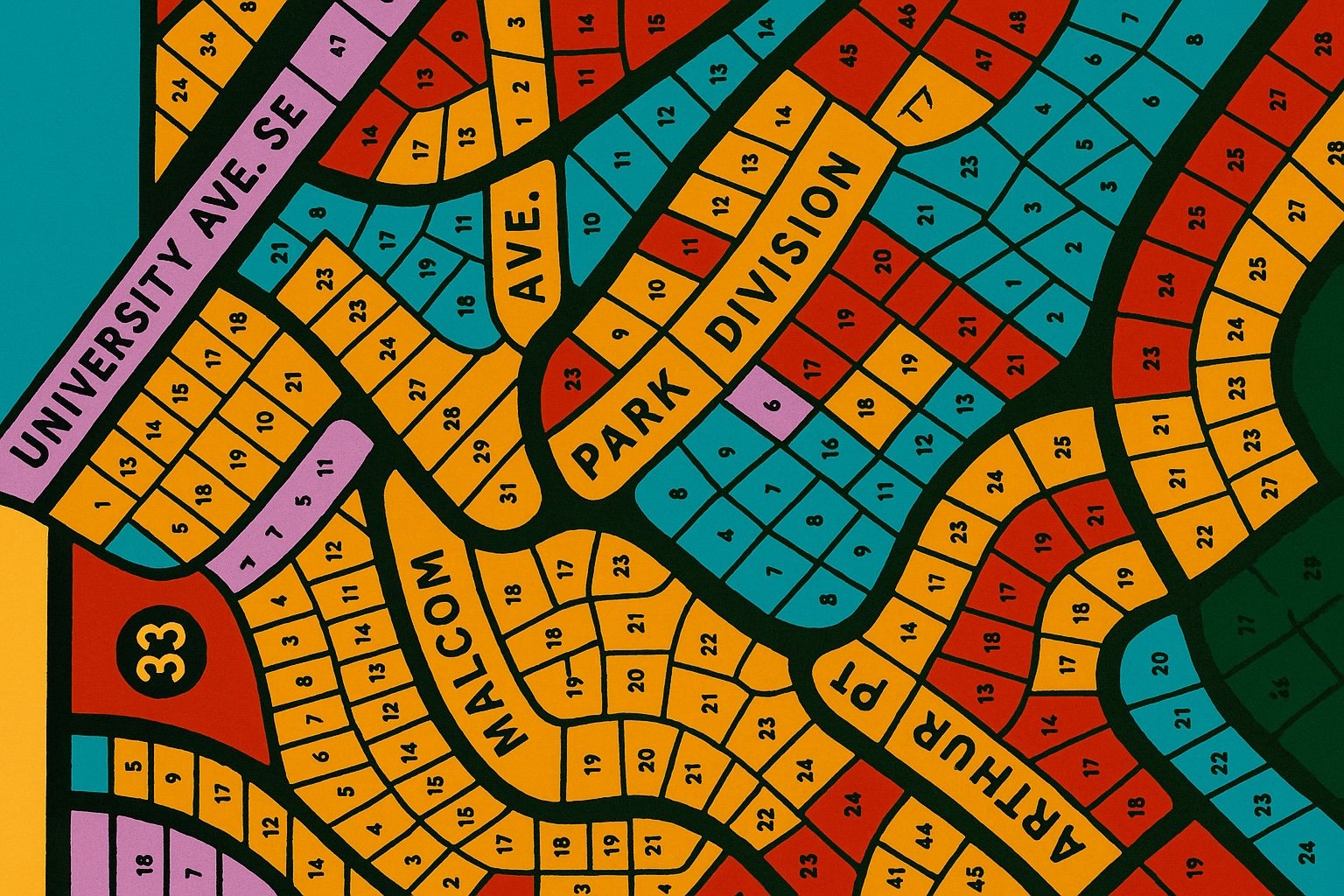
The Jackson Family
How one family's courage inspired generations of change
The Jackson’s Story

The Jackson family in 1909, pictured on the front steps of their Prospect Park home during the time of the neighborhood protest against them.
Back row (left to right): Amy (mother), Zelma and Helen (daughters), Madison (father). Front, center: Marvel (daughter).
Welcome to Prospect Park
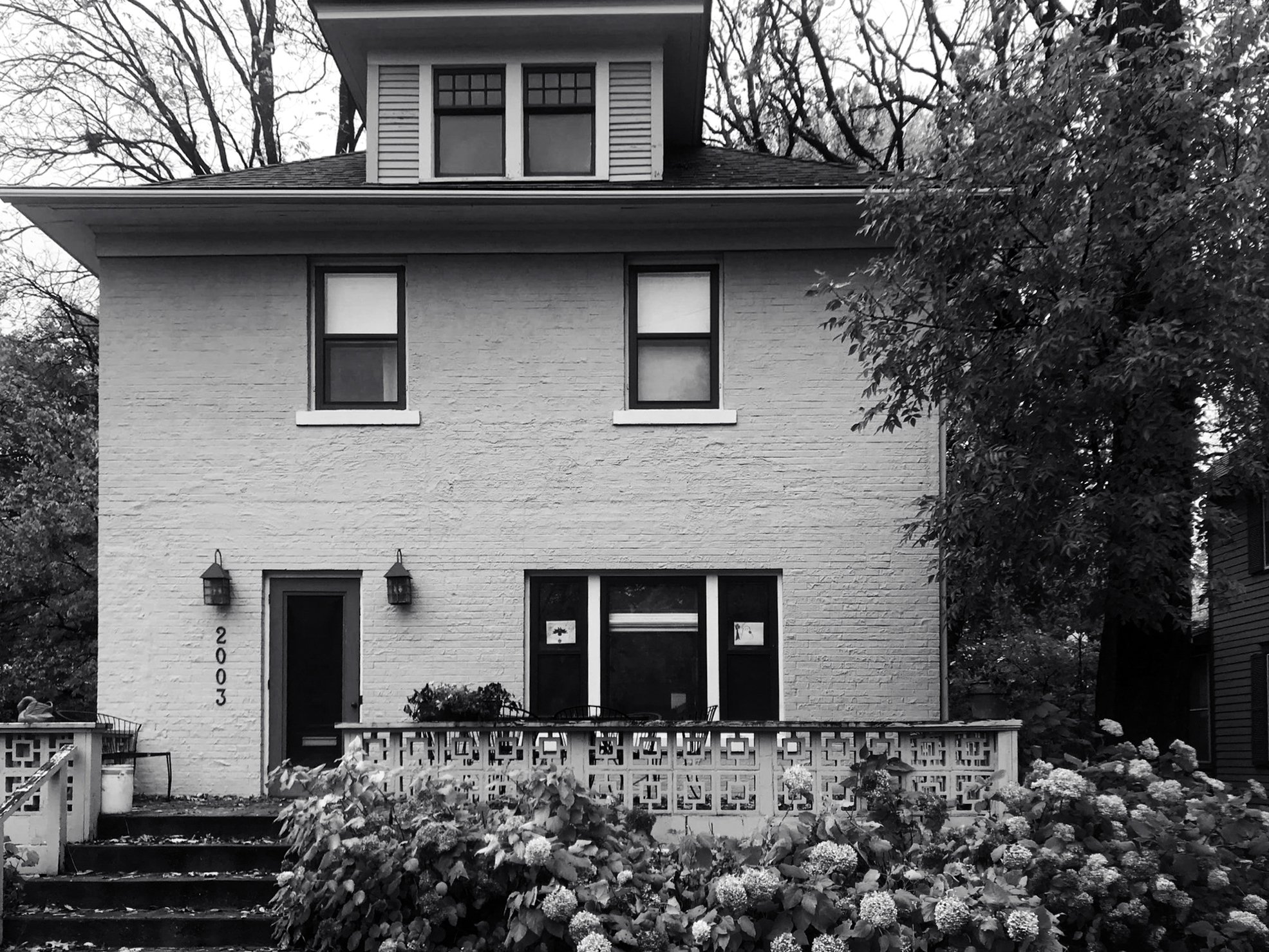
In 1908, Madison Jackson, Amy B. Jackson and their three daughters Marvel, Helen, and Zelma made history as the first Black family to move into Prospect Park, an all-white neighborhood in Minneapolis.
At the time, only 2,500 Black residents lived in all of Minneapolis and the Jackson’s faced racism and protests because of their presence.
In 1909, neighbors warned Madison that if his family stayed in Prospect Park, his daughters — Marvel, Helen and Zelma — would have no one to play with simply due to the color of their skin.
Instead of retaliating with anger, Madison came up with a plan — to build a new playground in his family’s backyard.
The Jackson’s playground quickly became a space for all children regardless of their race or background.
Madison’s decision to think creativity and inclusivity lives on as a beacon of resilience and hope in the community.
Marvel, Helen and Zelma were the first Black students to attend and graduate from Pratt Community School, marking an important step toward greater racial equality in Minneapolis education.
The Jackson family lived in Prospect Park for two decades, taking active roles and remaining respected members of the community.
The Jackson’s legacy remains a lasting beacon of inspiration and hope in Prospect Park.

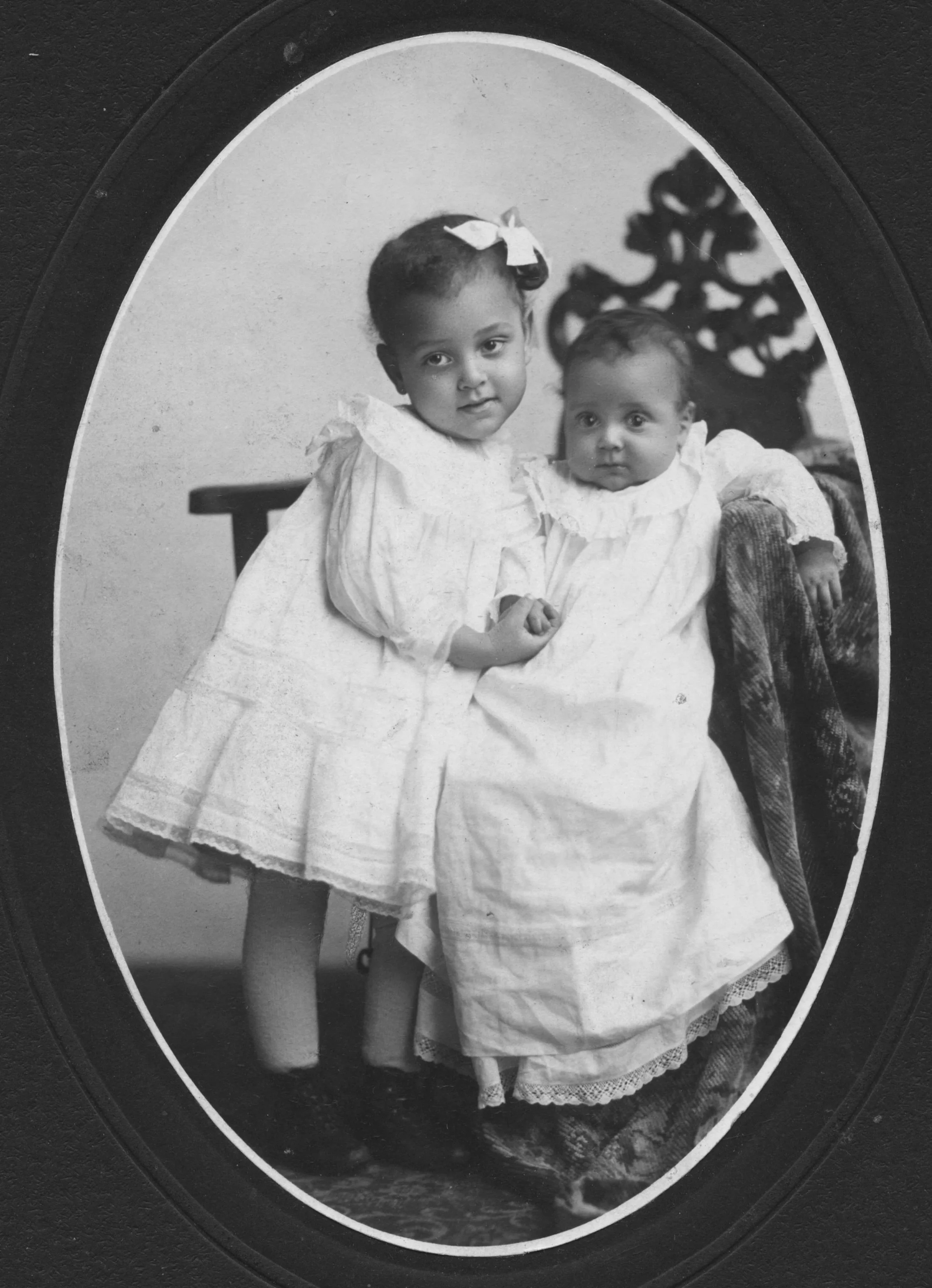
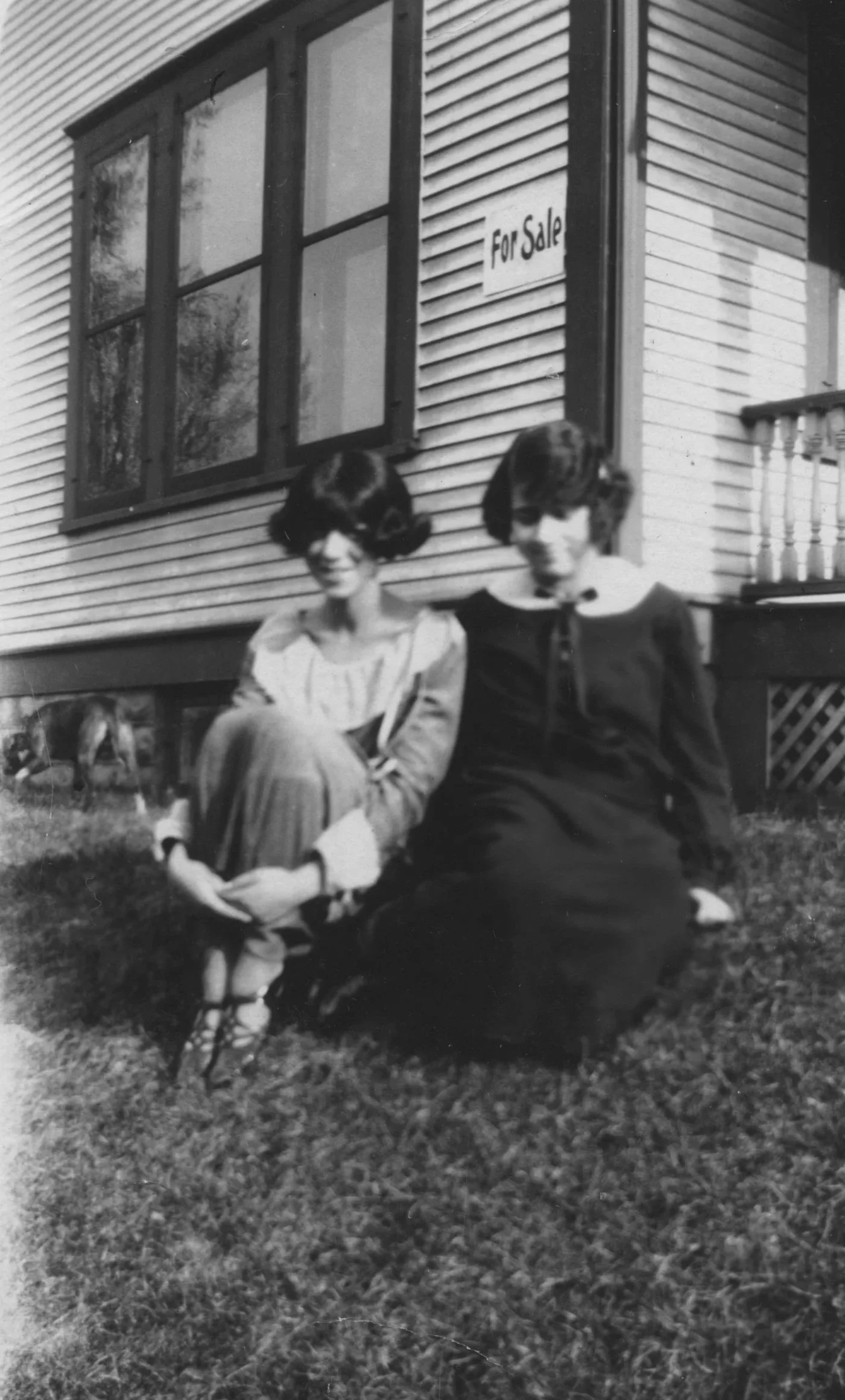
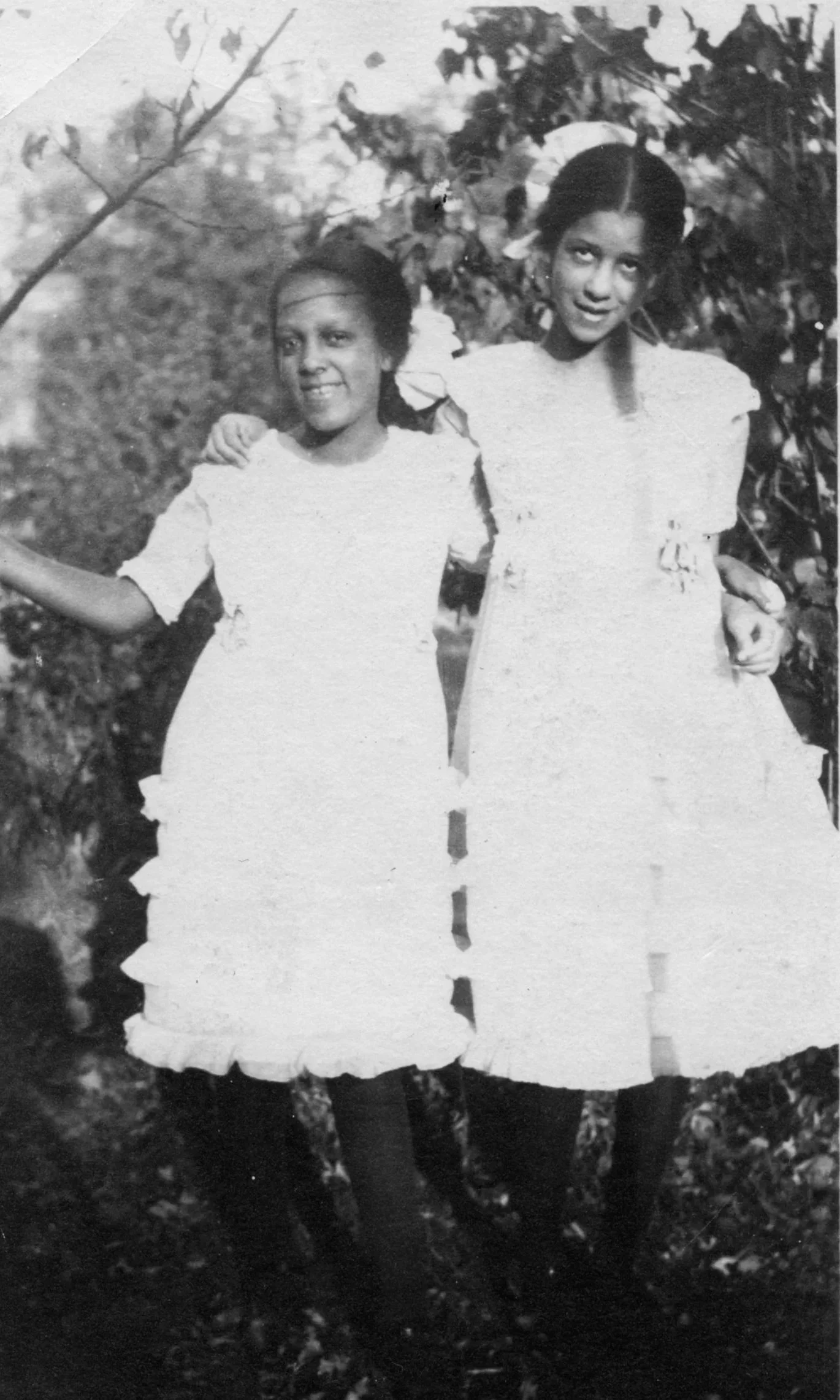
The story of the Jackson family began on a train.
Madison Jackson, a Pullman porter, met Amy as she traveled from her home in Virginia to begin work on a Native American reservation in South Dakota. Their paths crossed by chance, and eventually, they fell in love.
Their first stop together was Mankato, Minnesota. But their shared commitment to higher education and a desire to raise their daughters near educational opportunities brought them to a neighborhood near the University of Minnesota.
In 1908, Madison and Amy moved to Prospect Park in Minneapolis. There, they raised four daughters: Marvel, Meredith (who passed away in infancy), Helen and Zelma.
The Jacksons remained active and respected members of the community for the next two decades, nurturing their daughters and contributing to the neighborhood.
Madison and Amy's legacy of strength, resilience and dignity laid the foundation for the remarkable lives their children would go on to lead.
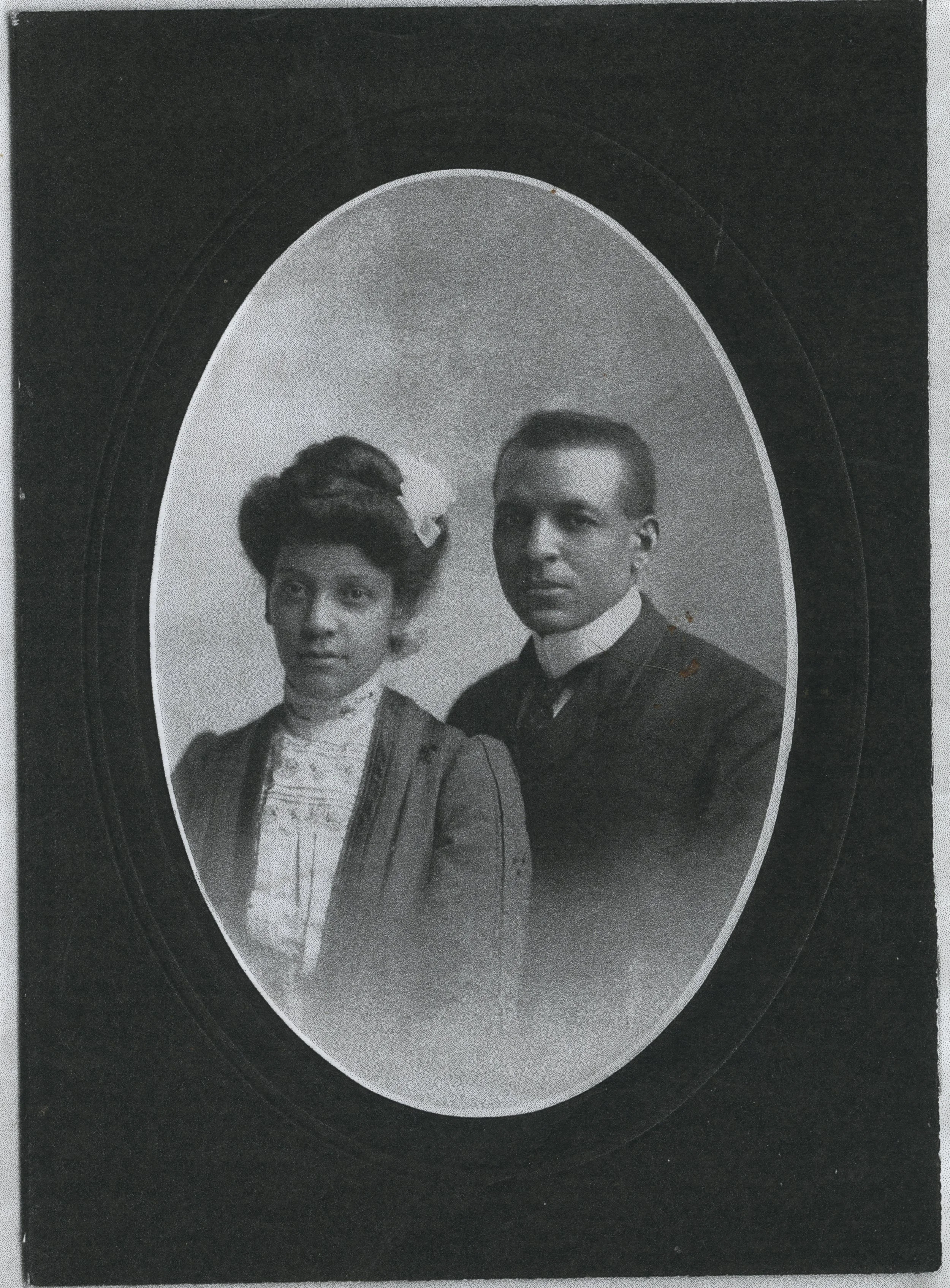
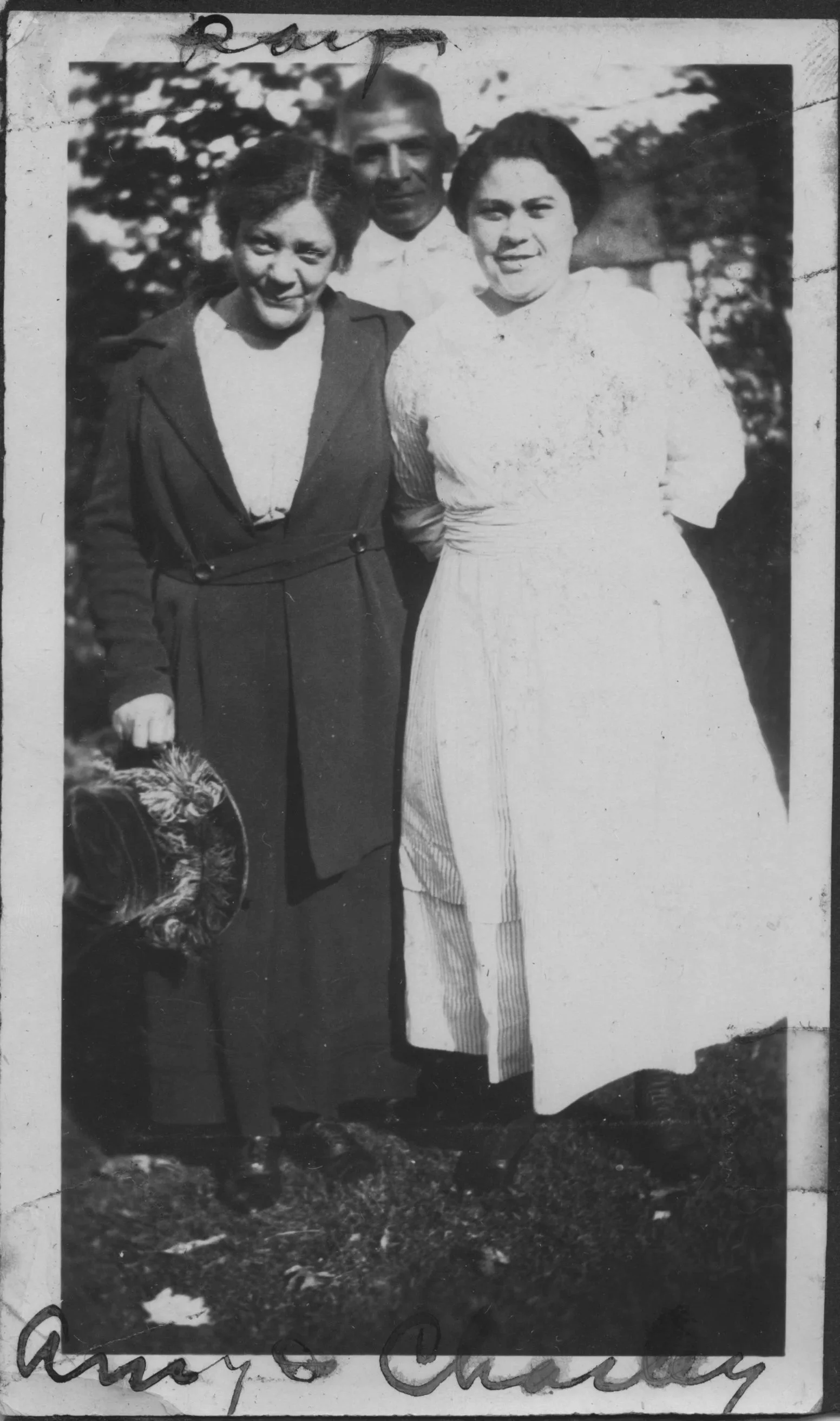
Madison & Amy Jackson
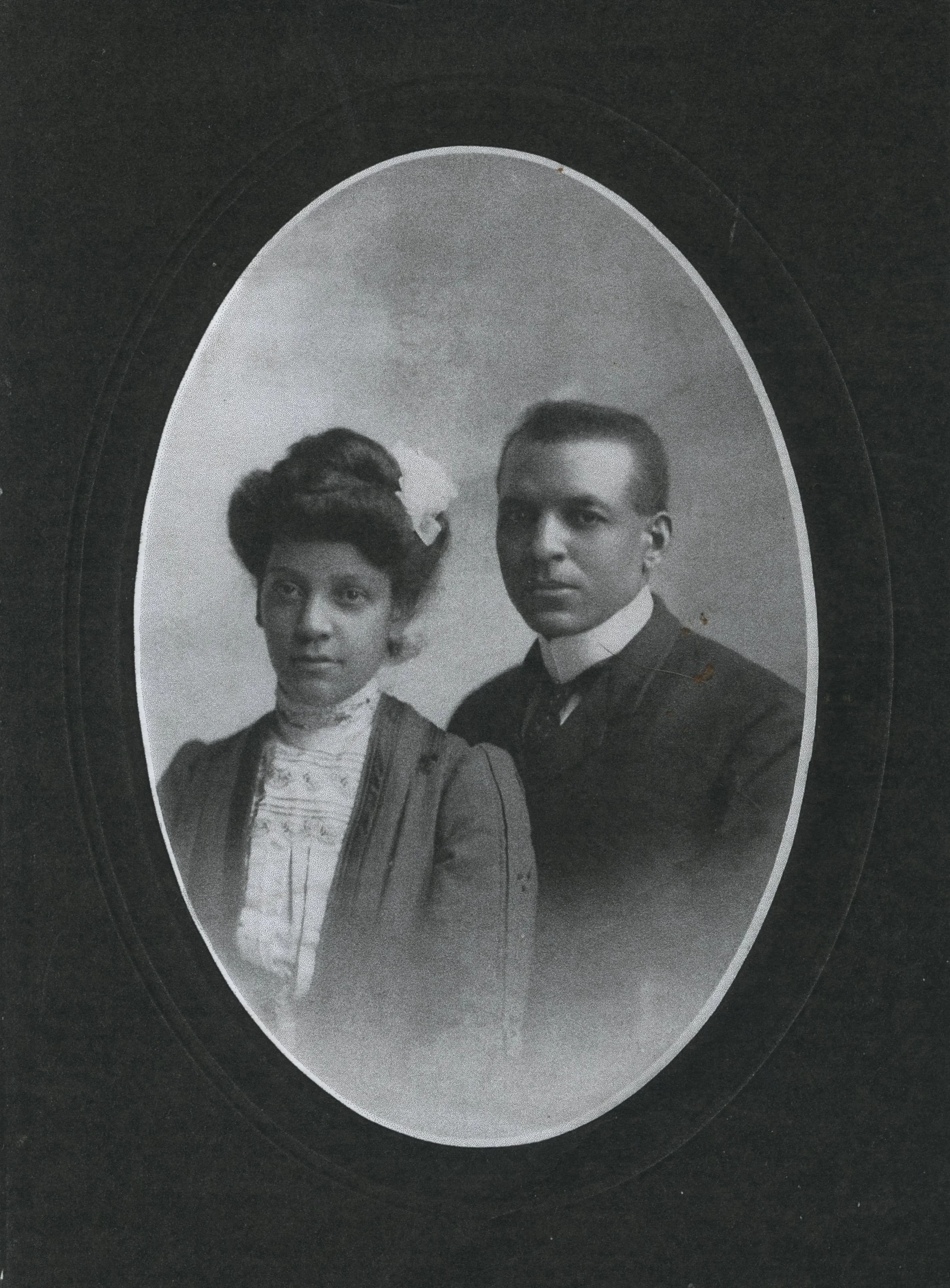
Amy and Madison Jackson
Credit: Grand Rapids Public Library
Marvel, Helen and Zelma remained active leaders and activists in the fight for racial justice.
Marvel Jackson Cooke became an acclaimed journalist in New York City, reporting on race, labor and women’s issues. She worked for W.E.B. Du Bois and developed friends with Langston Hughes and other luminaries of the Harlem Renaissance.
Helen Jackson became the YWCA’s first Black national president, working actively for racial equality and integration on a national scale. She dedicated her life to community service.
Zelma, the youngest daughter, became a fashion designer in New York City - a rarity in an industry dominated by white and/or male leadership.
The courage of Marvel, Helen, and Zelma helped pave the way for integrated education in Minneapolis, setting a powerful precedent for future generations.
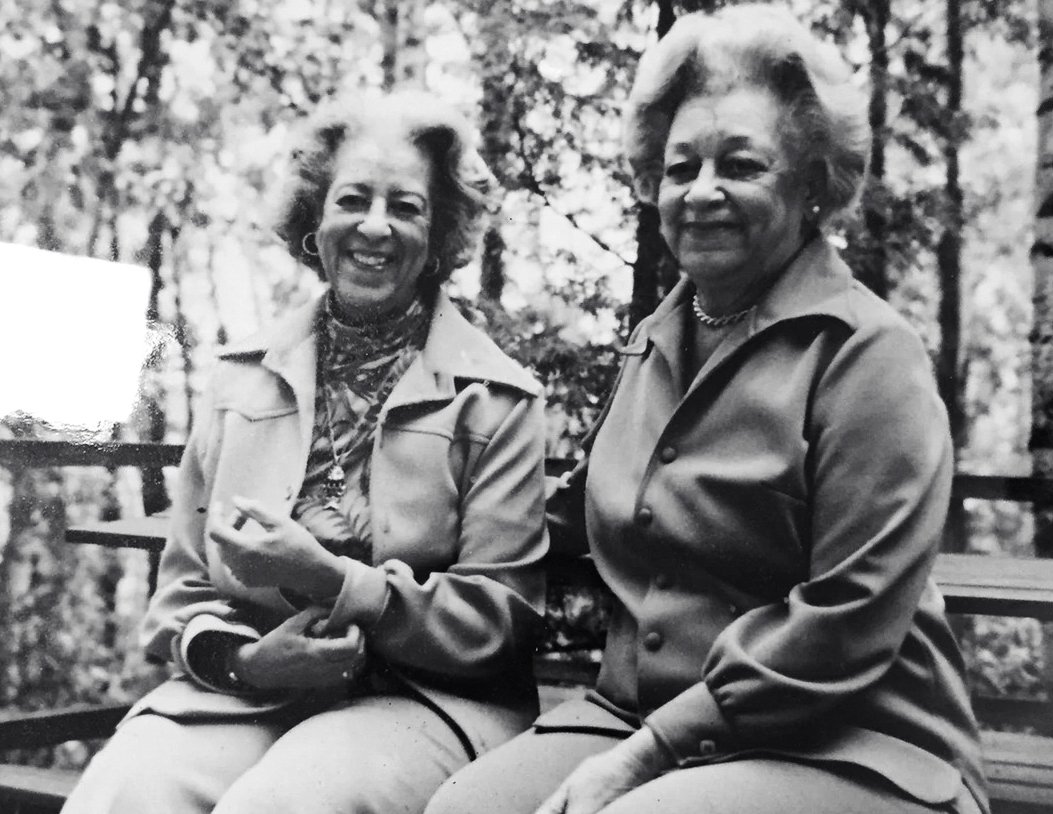
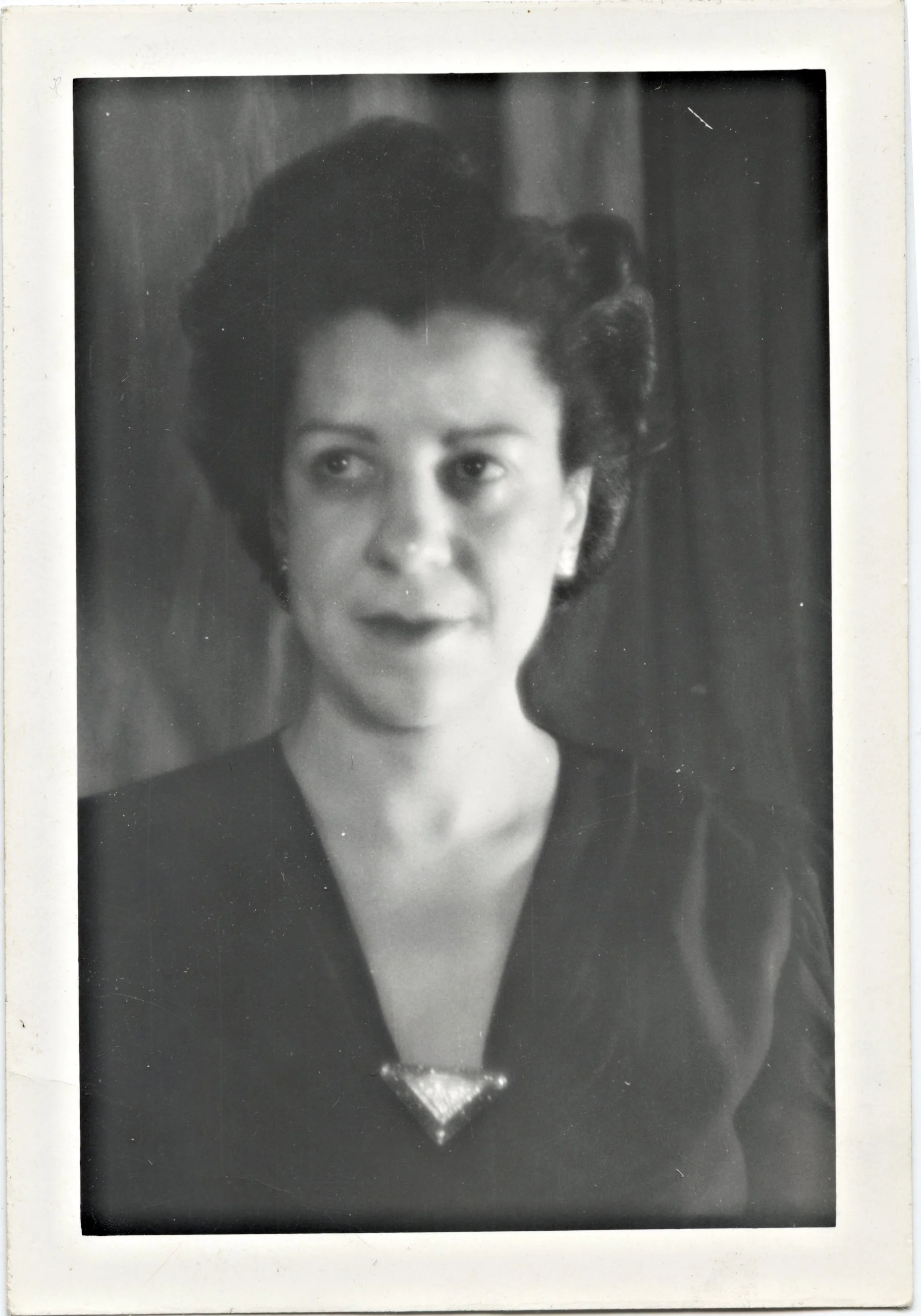
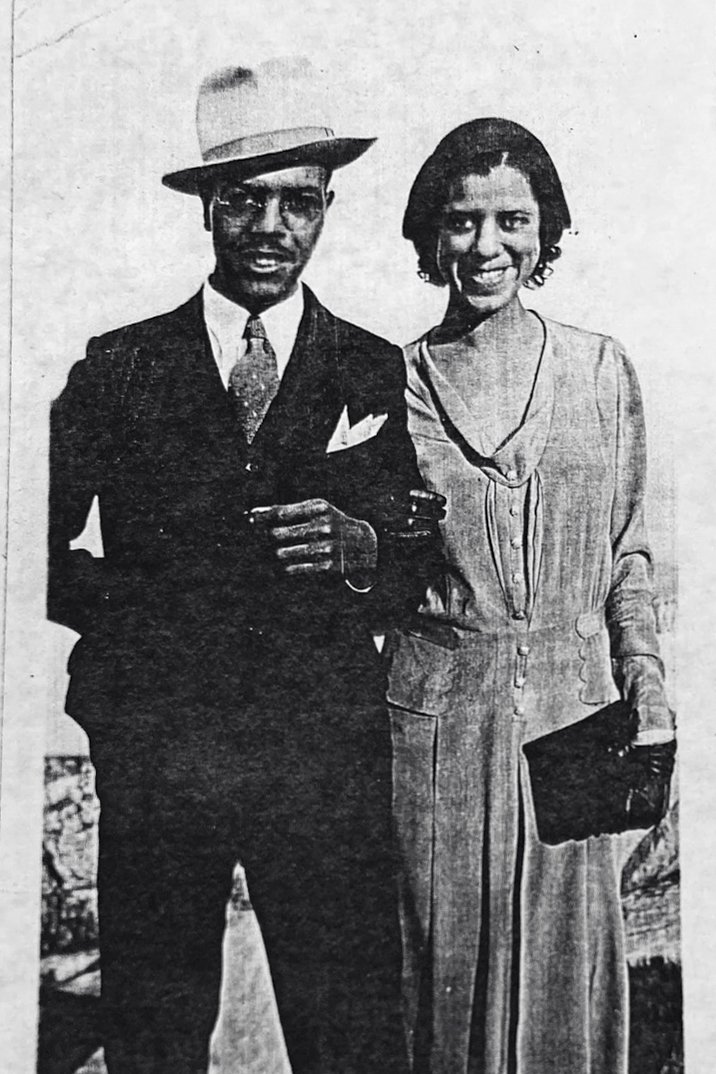
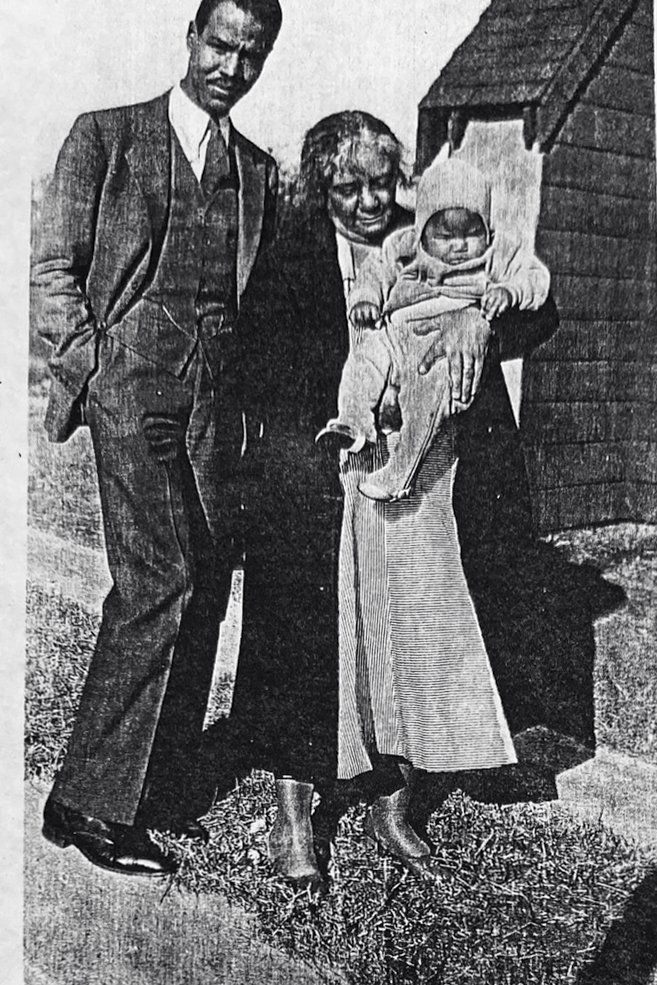
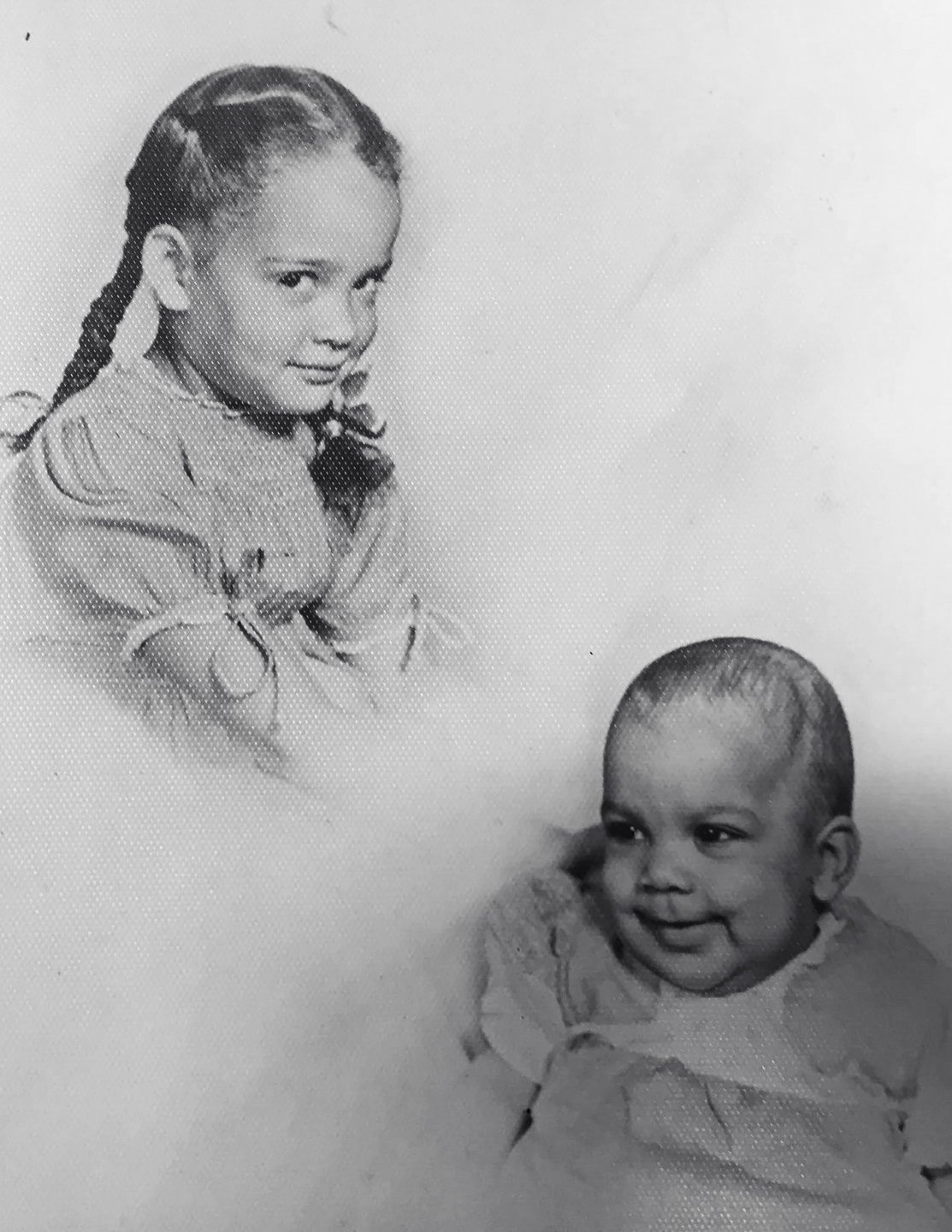
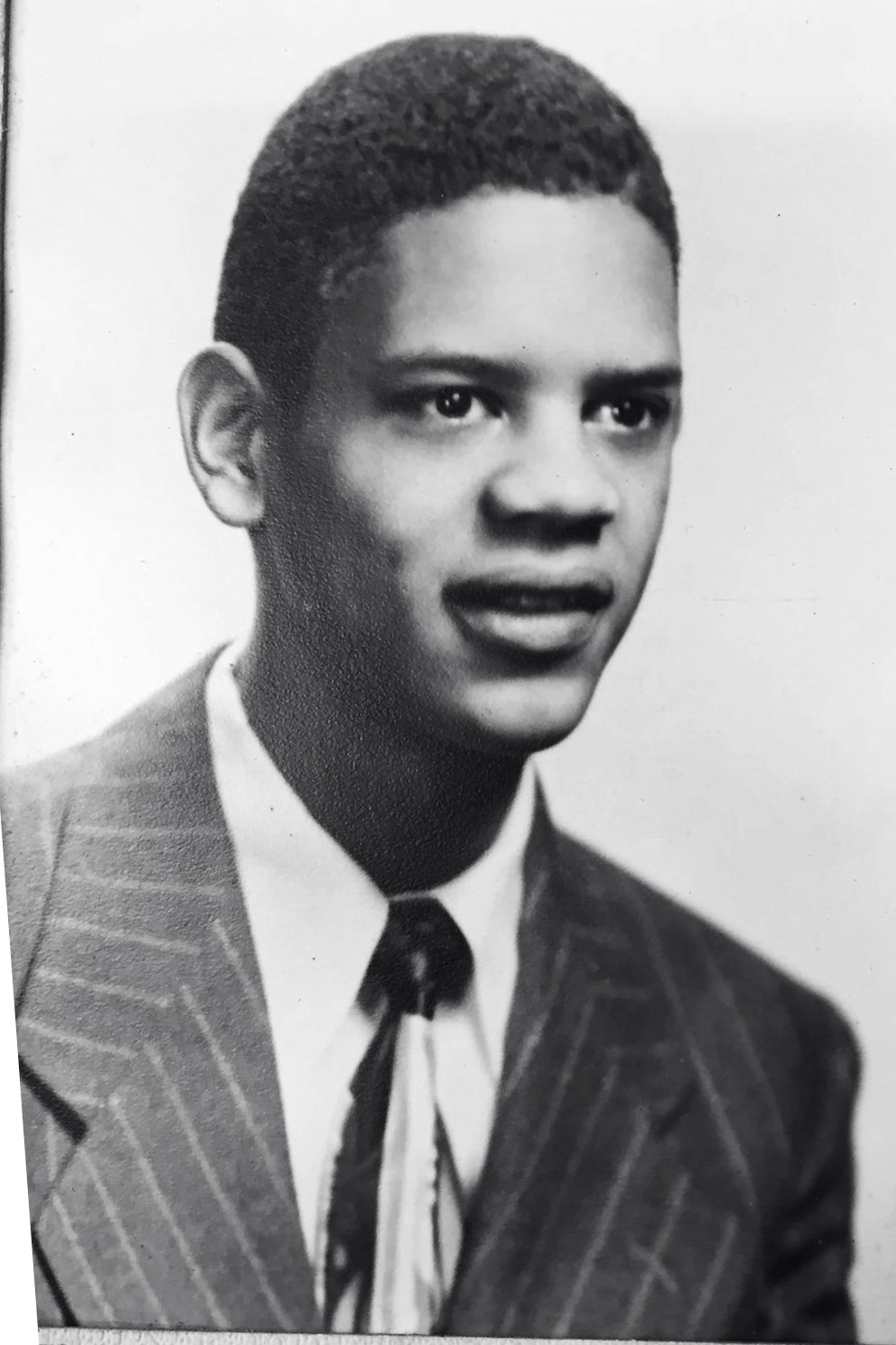
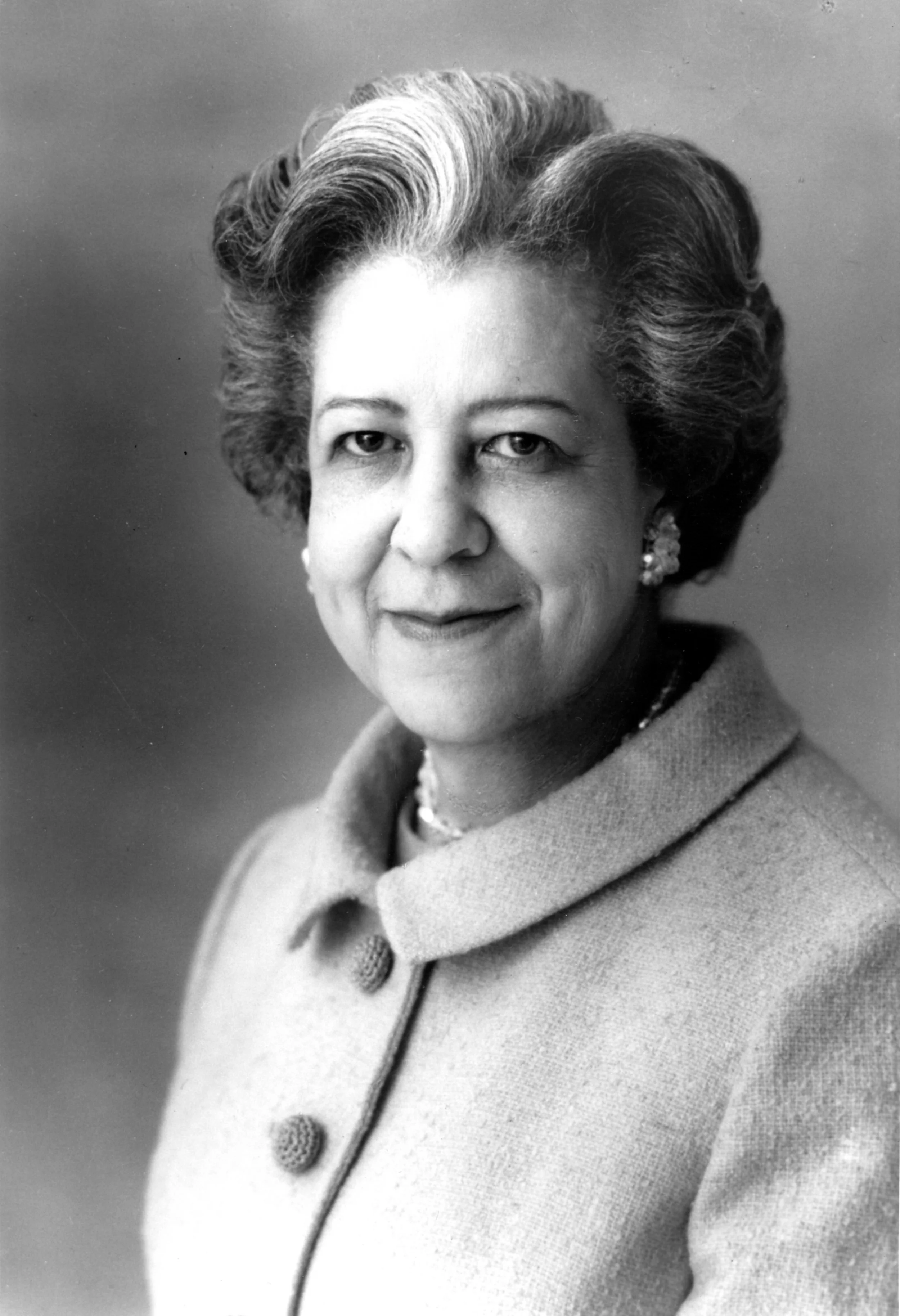
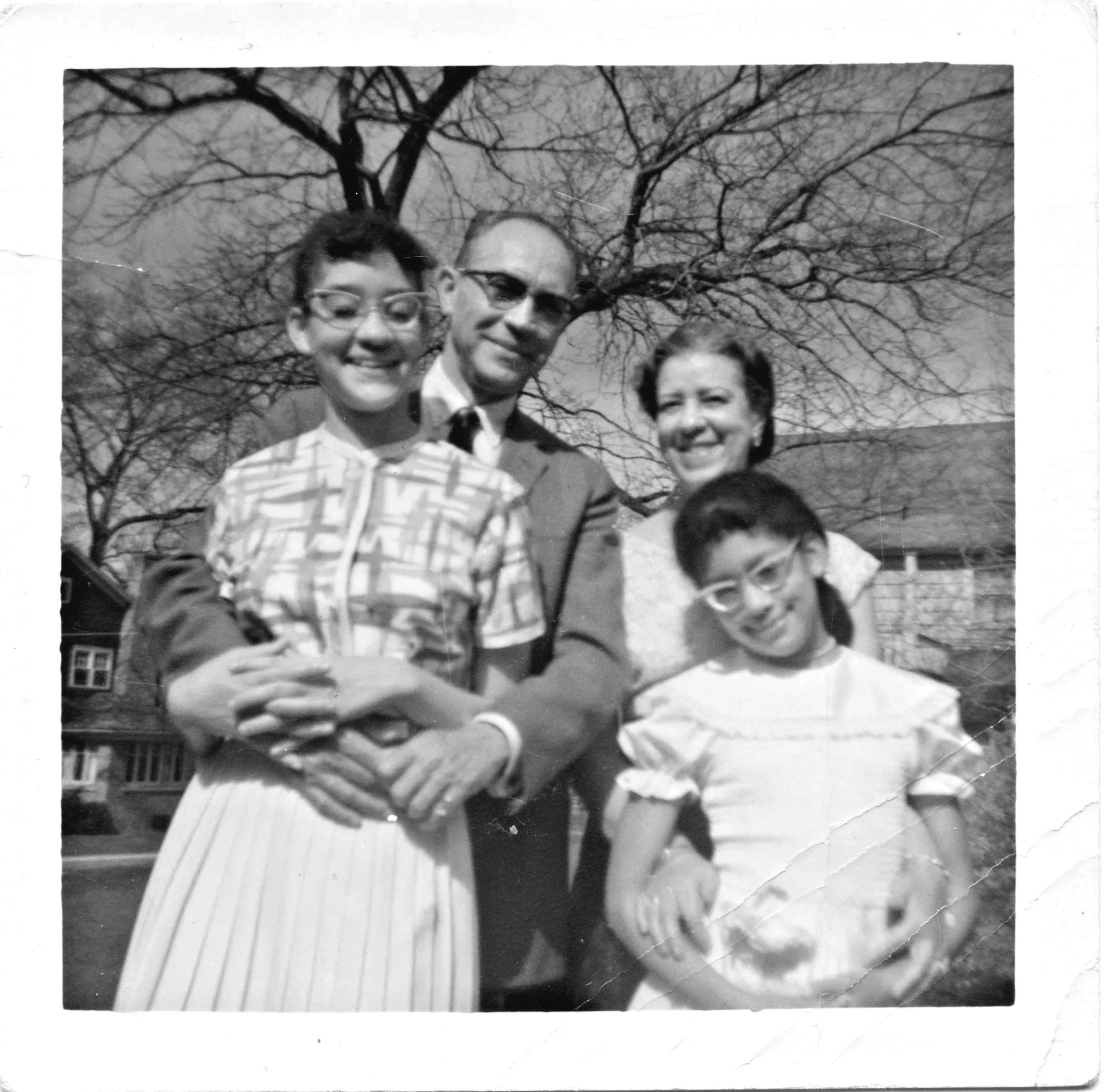
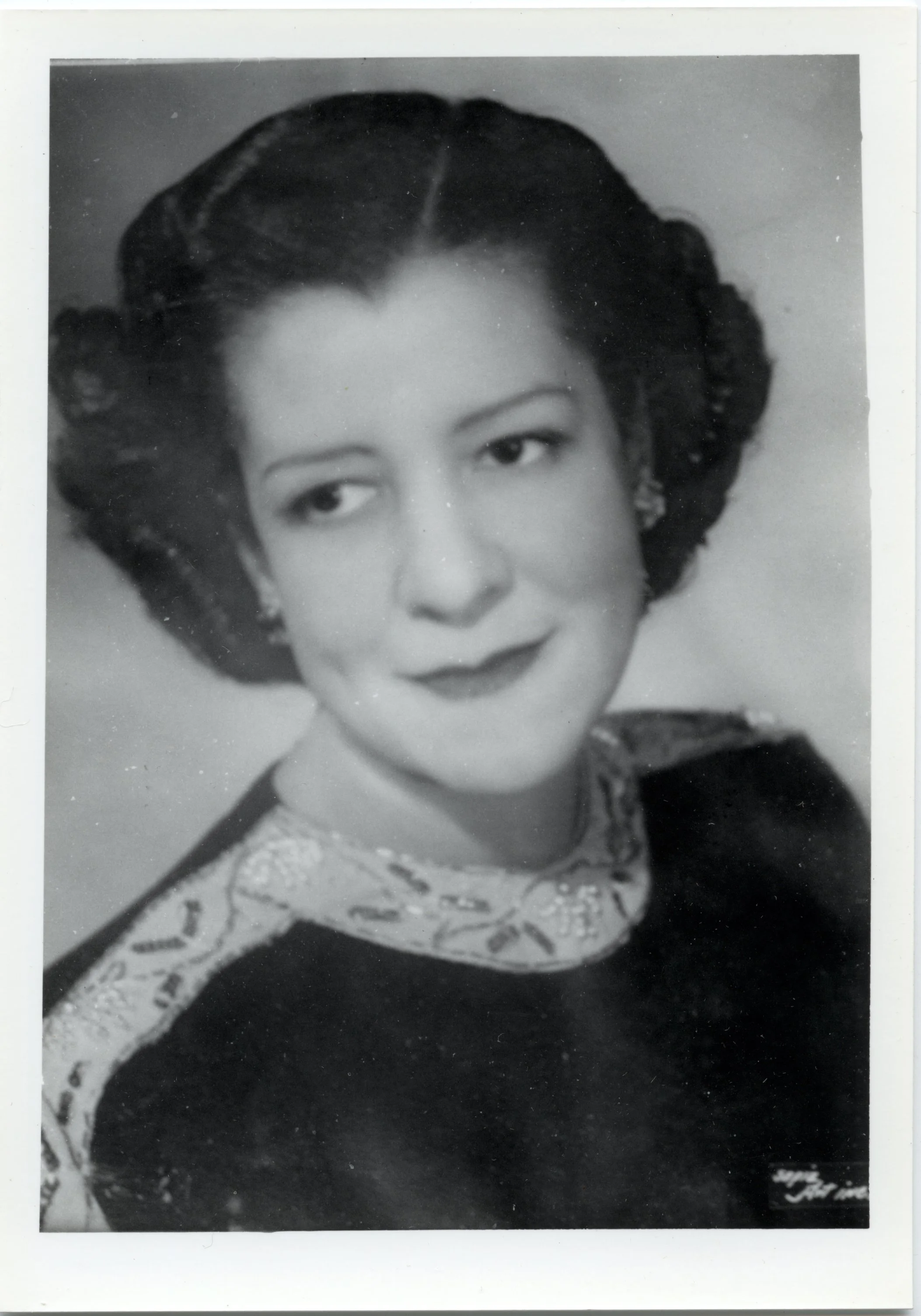
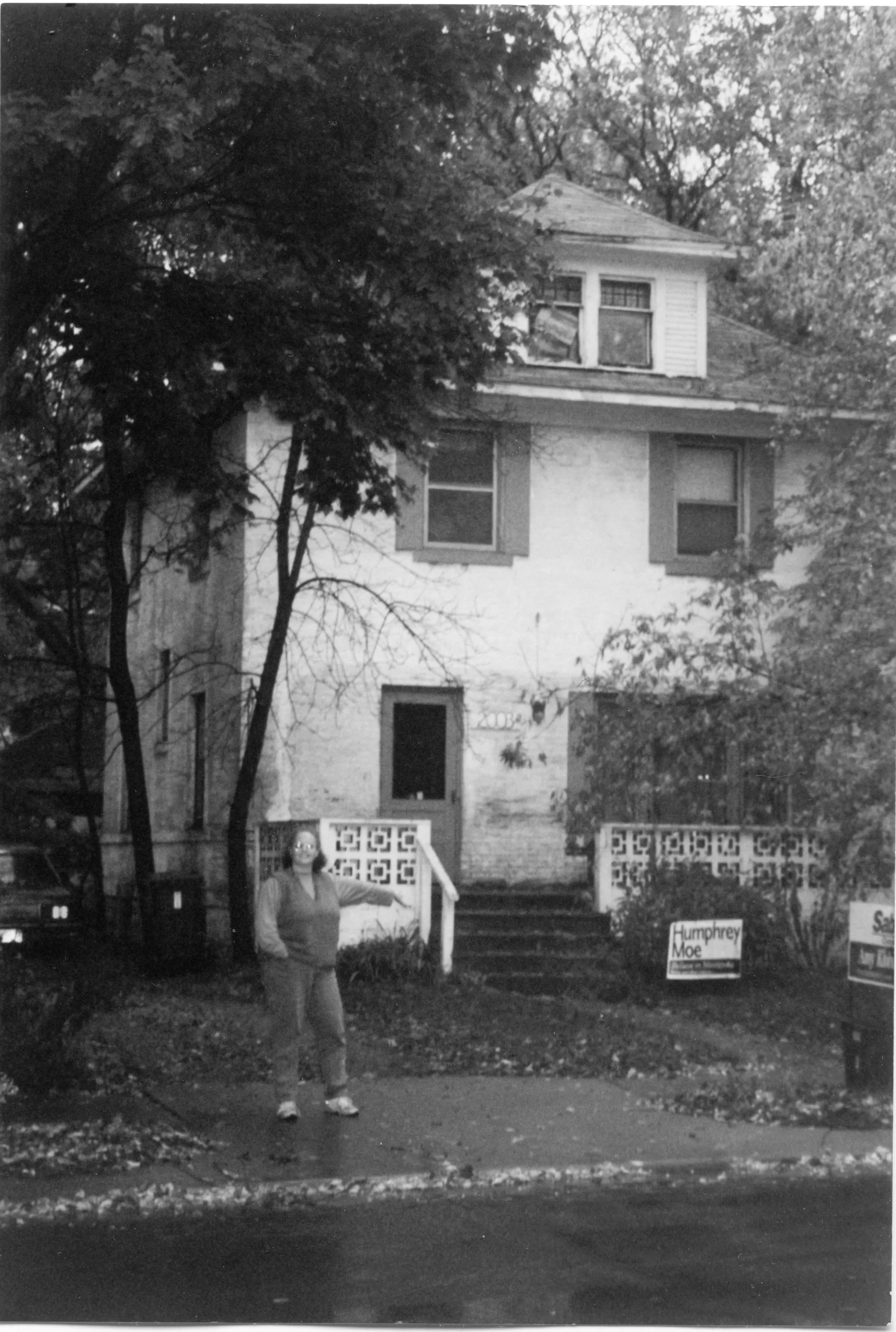
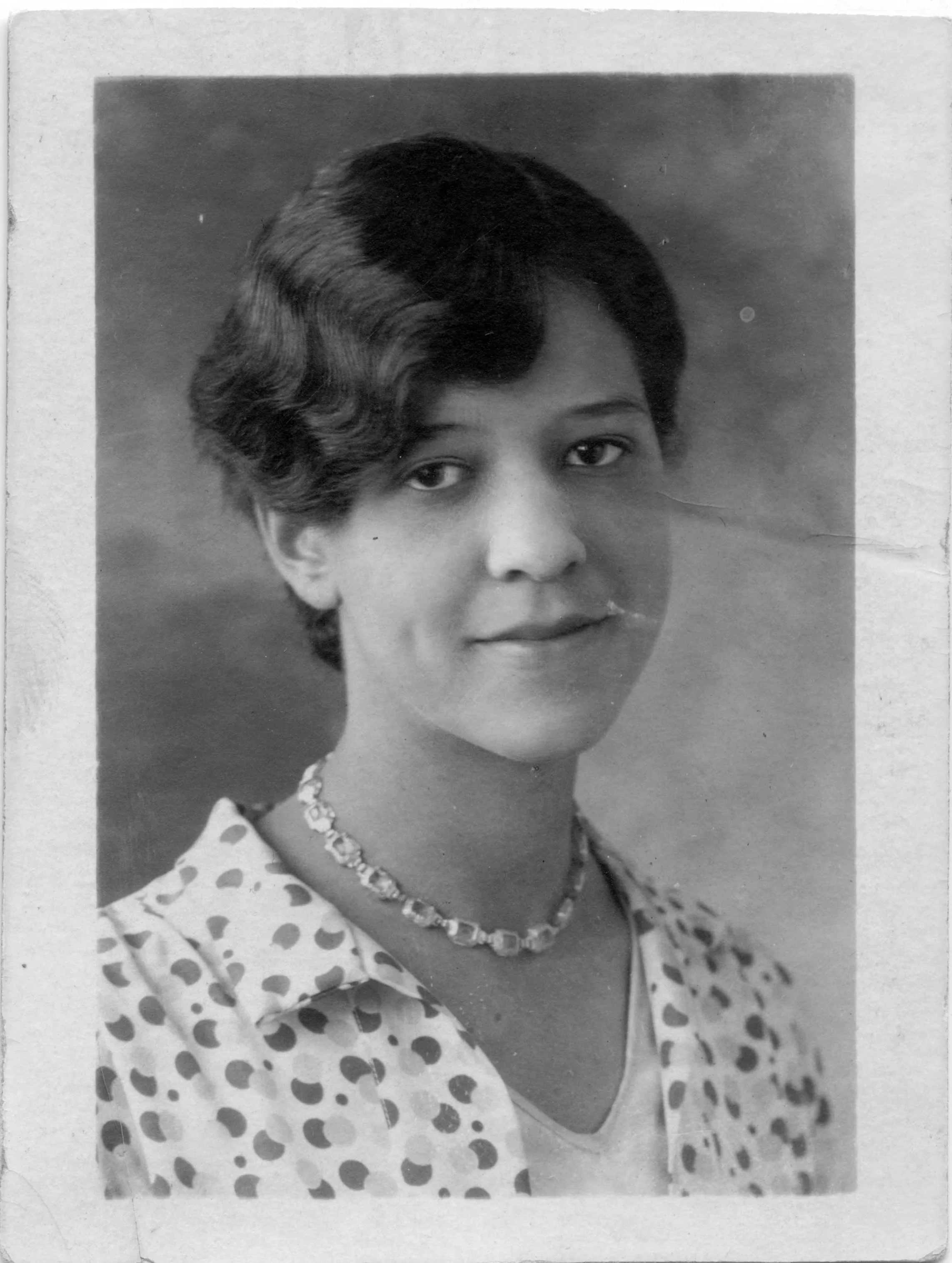
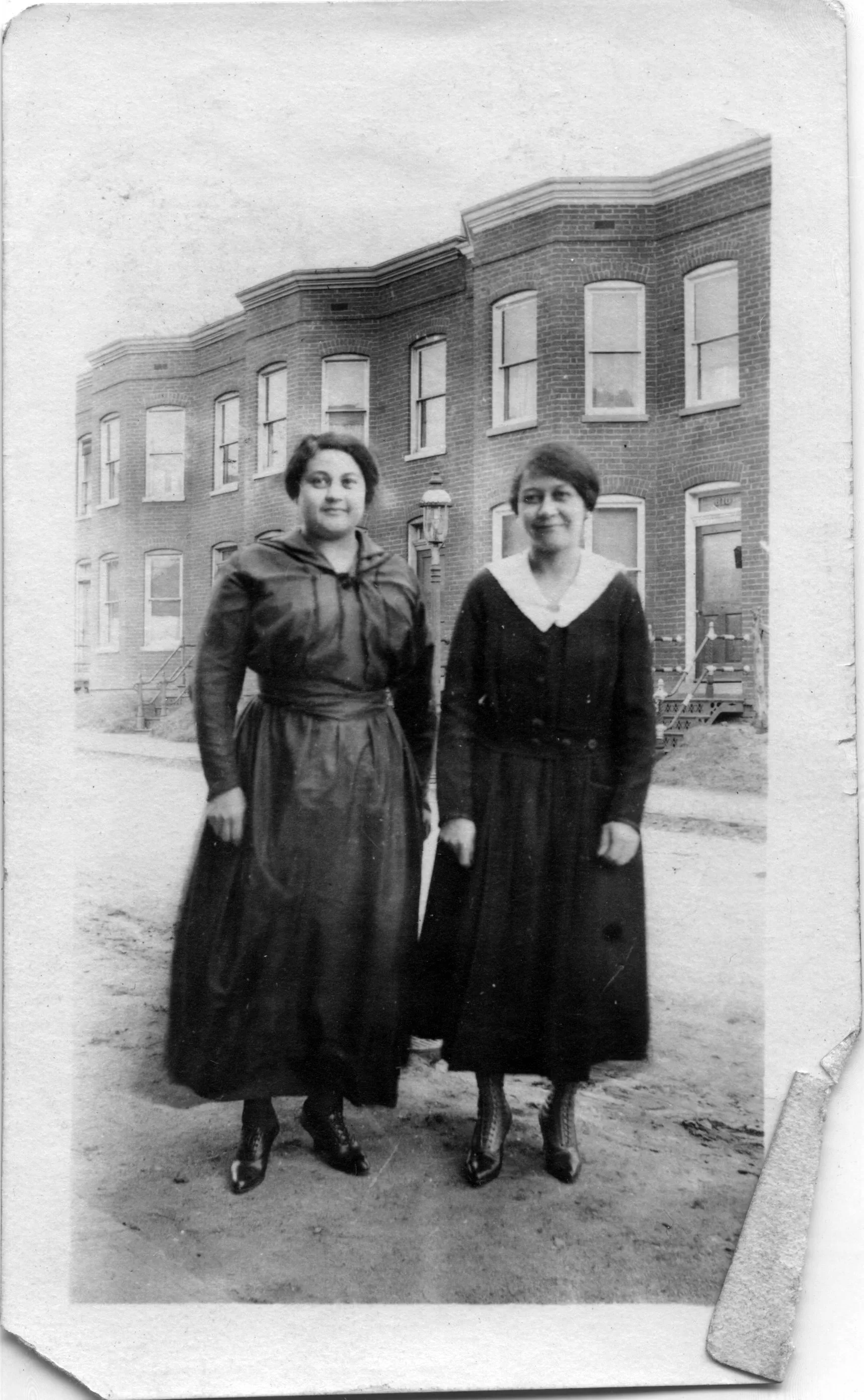
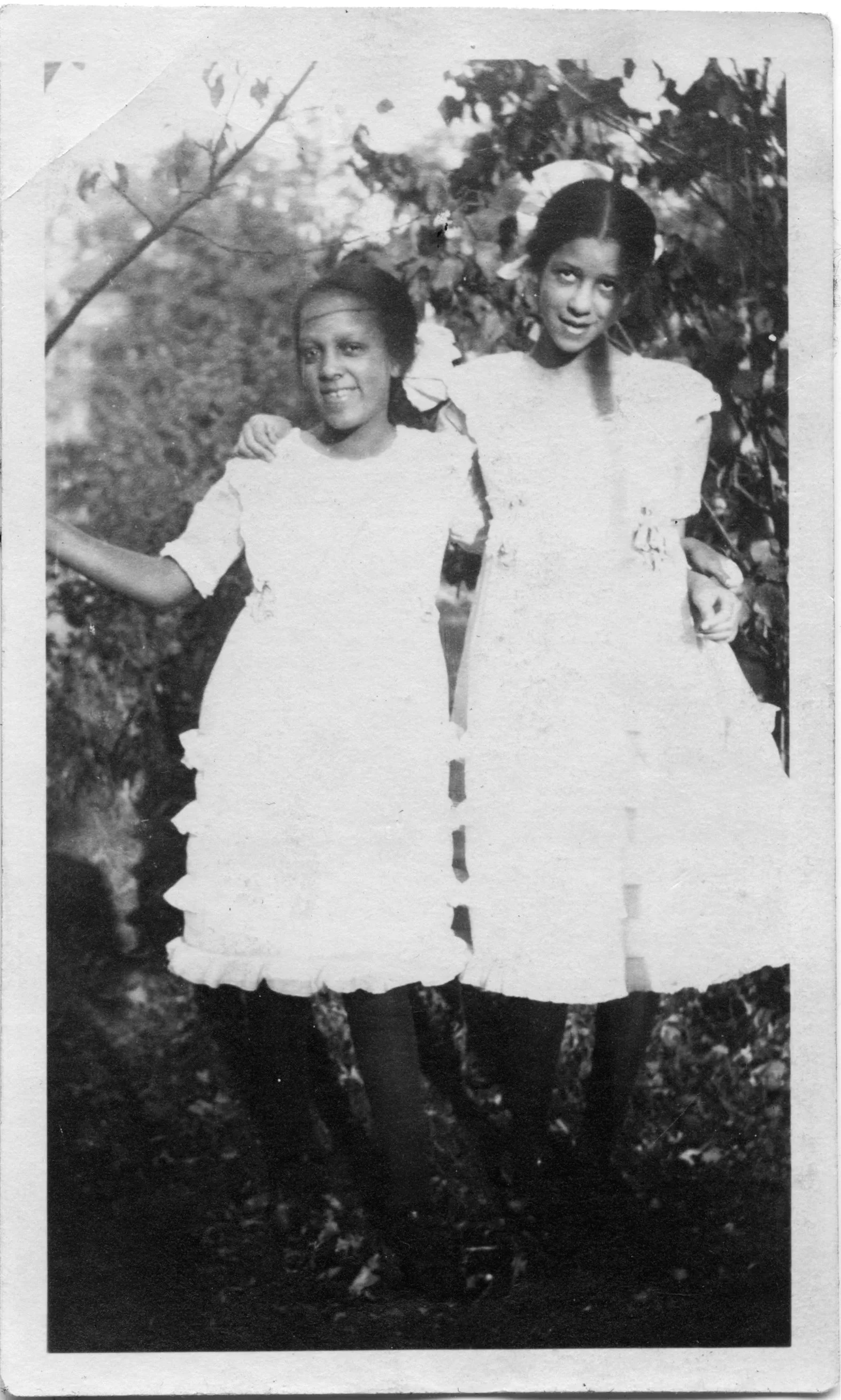
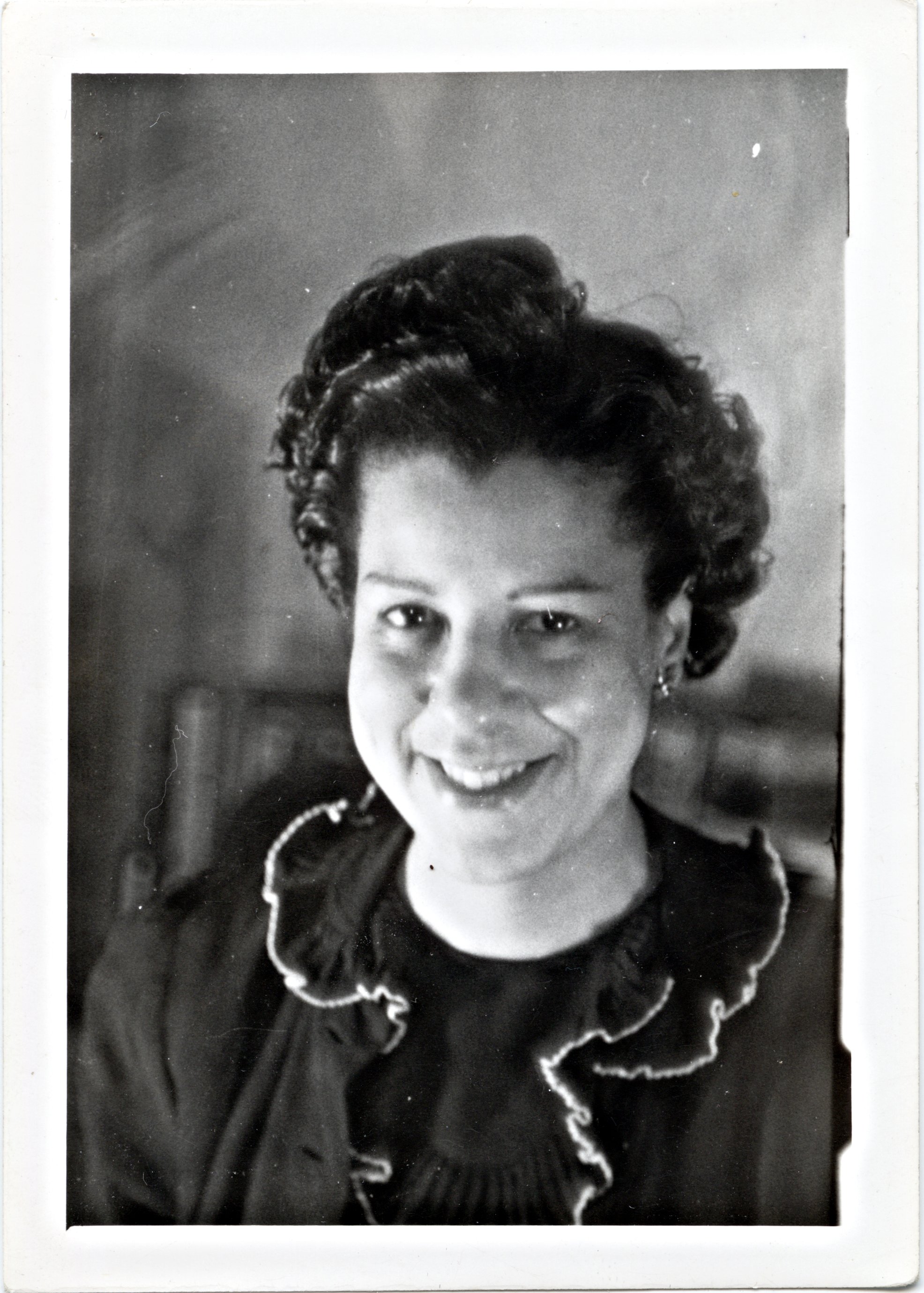
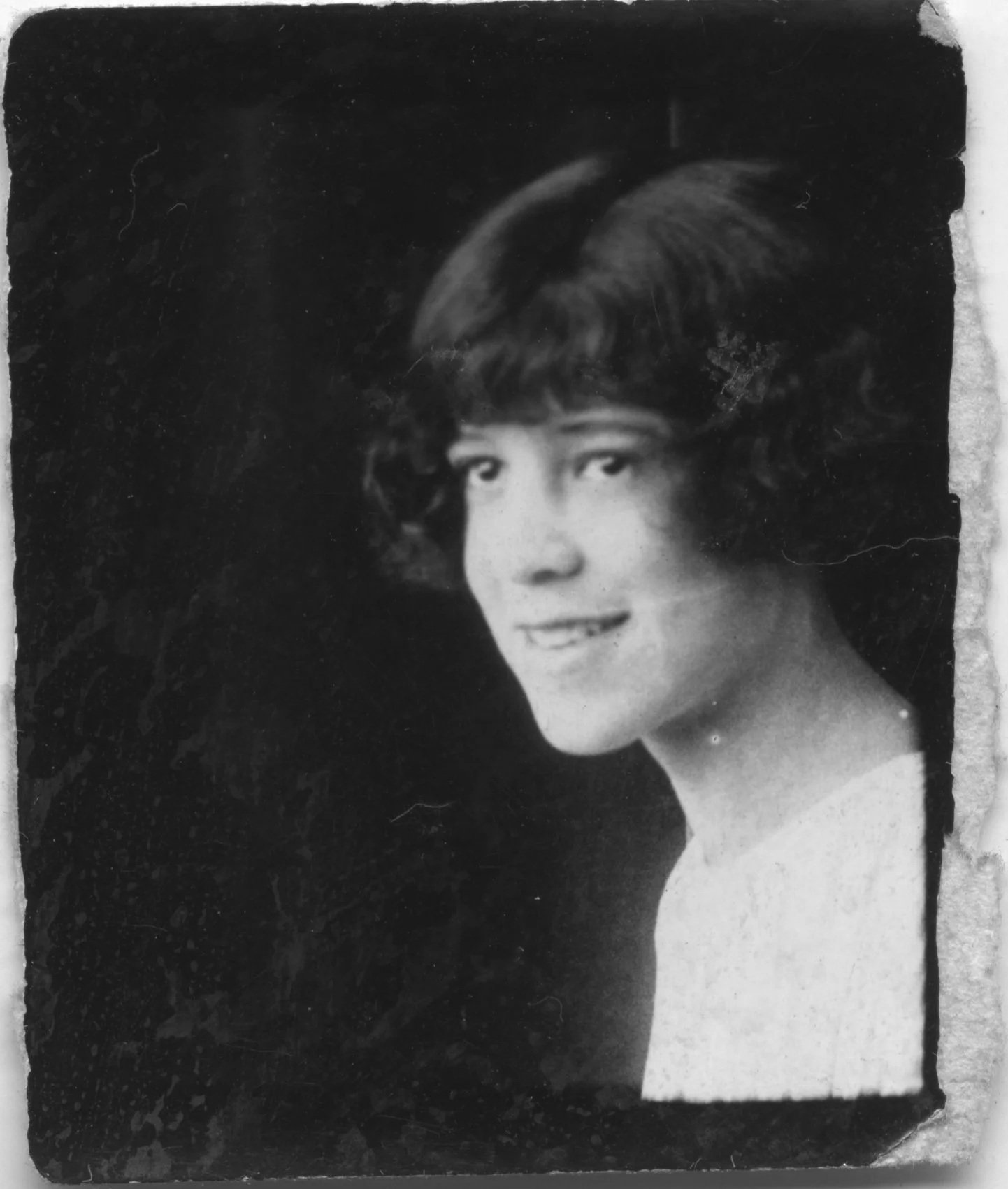
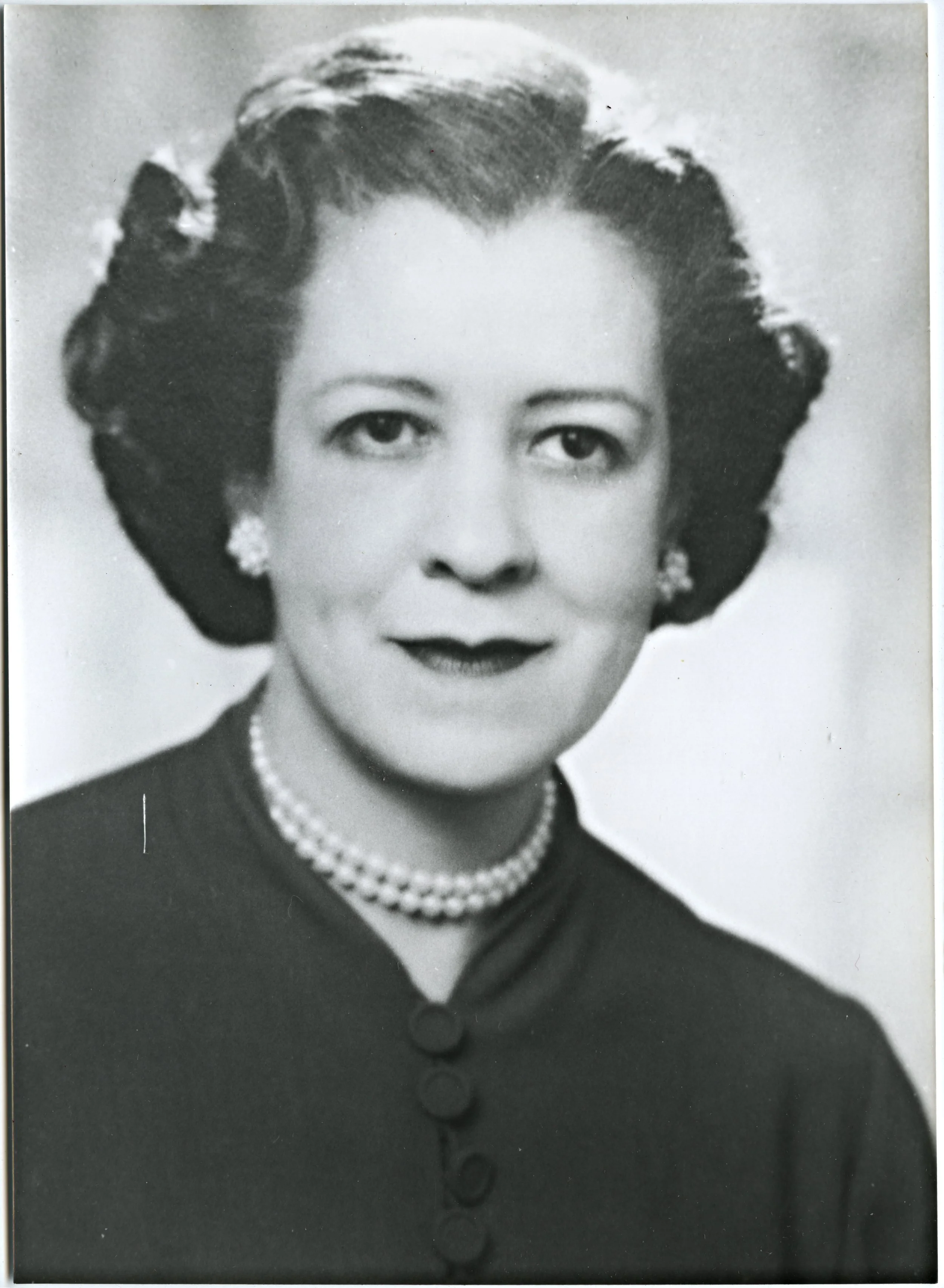
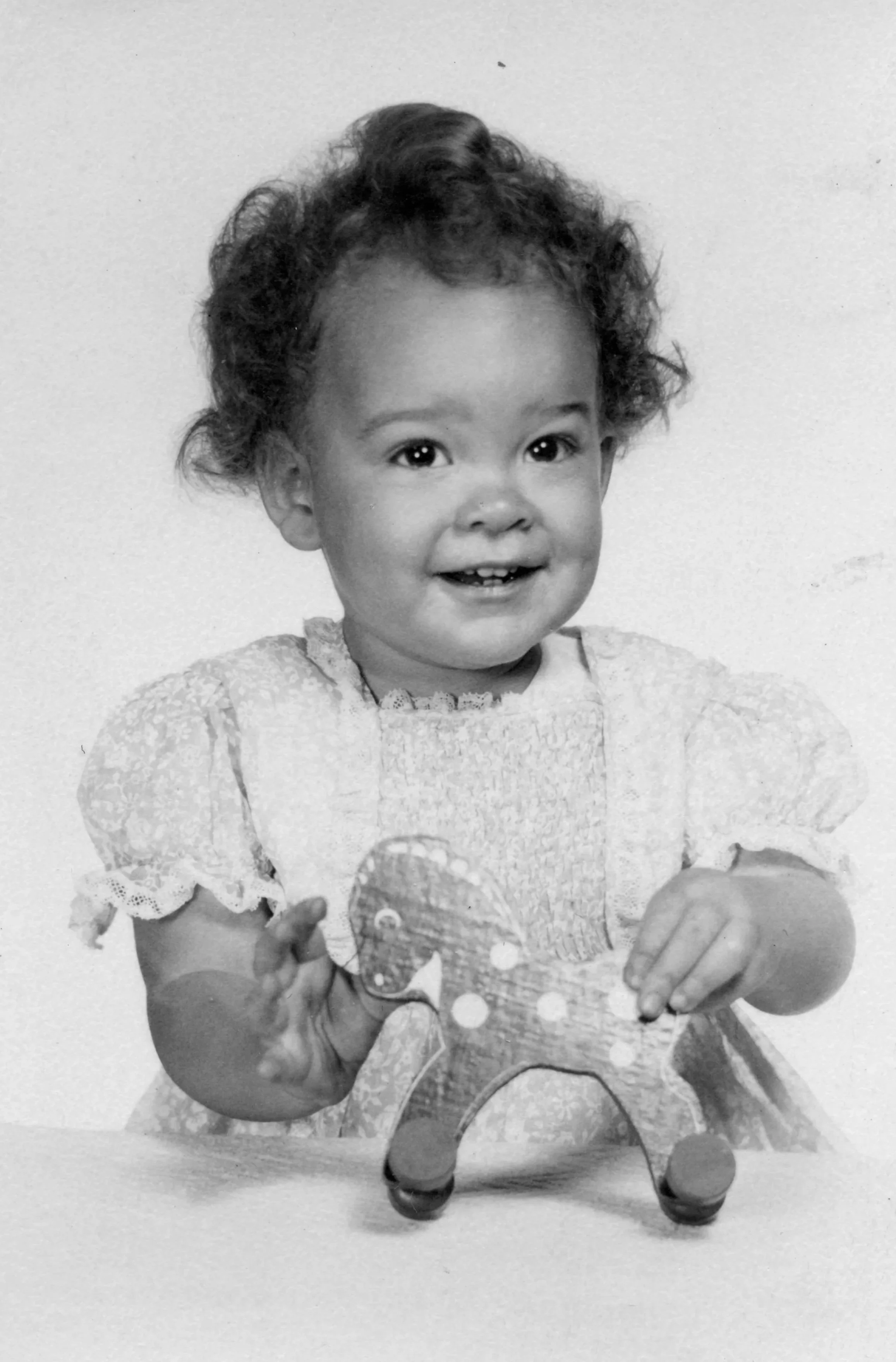
Marvel, Helen & Zelma

Marvel Jackson

Helen Jackson

Zelma Jackson

Partners & Funders
The Jackson Family Project Committee includes descendants of the Jackson family — Sharon Claytor Peters, Judith Claytor, and Dr. Melvin Peters — as well as representatives from Pratt Community School, Pratt Parent-Teacher Organization, Prospect Park Association, and neighborhood residents. The Prospect Park Association and the Pratt PTO were the original funders of the project.
Additional support comes from Minneapolis Public Schools, The University of Minnesota Good Neighbor Fund, Prospect Park Coop Legacy Fund, The Neighborhood and Community Relations at the City of Minneapolis, and individual donors.


